


As dogs age, they may face a variety of challenges that make indoor bathroom solutions like pet pee pads essential. Senior dogs often struggle with mobility issues, arthritis, incontinence, or weakened bladder control, making it difficult for them to reach the outdoors in time. Choosing the right pee pad for your senior dog can significantly improve their quality of life, keep your home clean, and reduce stress for both you and your furry friend. This guide outlines the key factors to consider when selecting pee pads for senior dogs, along with tips for using them effectively.
The first and most important factor to consider when choosing pee pads for senior dogs is absorbency. Senior dogs often have larger bladder volumes or incontinence, meaning they may urinate more frequently or in larger amounts. Look for pee pads with a high-absorbency core that includes super-absorbent polymers (SAP) and additional absorbent materials like wood pulp or bamboo. Aim for pads that can absorb at least 1000 ml of liquid, as this will ensure they can handle multiple uses without leaking. Quick-dry pads are also essential, as they keep your dog’s paws dry and reduce the risk of skin irritation or infections from prolonged contact with moisture.
Size is another critical consideration for senior dogs. Older dogs may have mobility issues or difficulty moving quickly, so a larger pad is often better to prevent “missed targets” and ensure they have enough space to relieve themselves comfortably. For small senior dogs (e.g., Chihuahuas, Shih Tzus), a pad size of 20” x 24” (50 x 60 cm) is sufficient. For medium-sized dogs (e.g., Cocker Spaniels, Beagles), opt for a 24” x 35” (60 x 90 cm) pad. For large or extra-large senior dogs (e.g., Golden Retrievers, Great Danes), choose a pad that is at least 35” x 47” (90 x 120 cm). If your senior dog has cognitive decline (e.g., dementia), consider covering a larger area or even an entire room with pads to make it easier for them to find the designated spot.
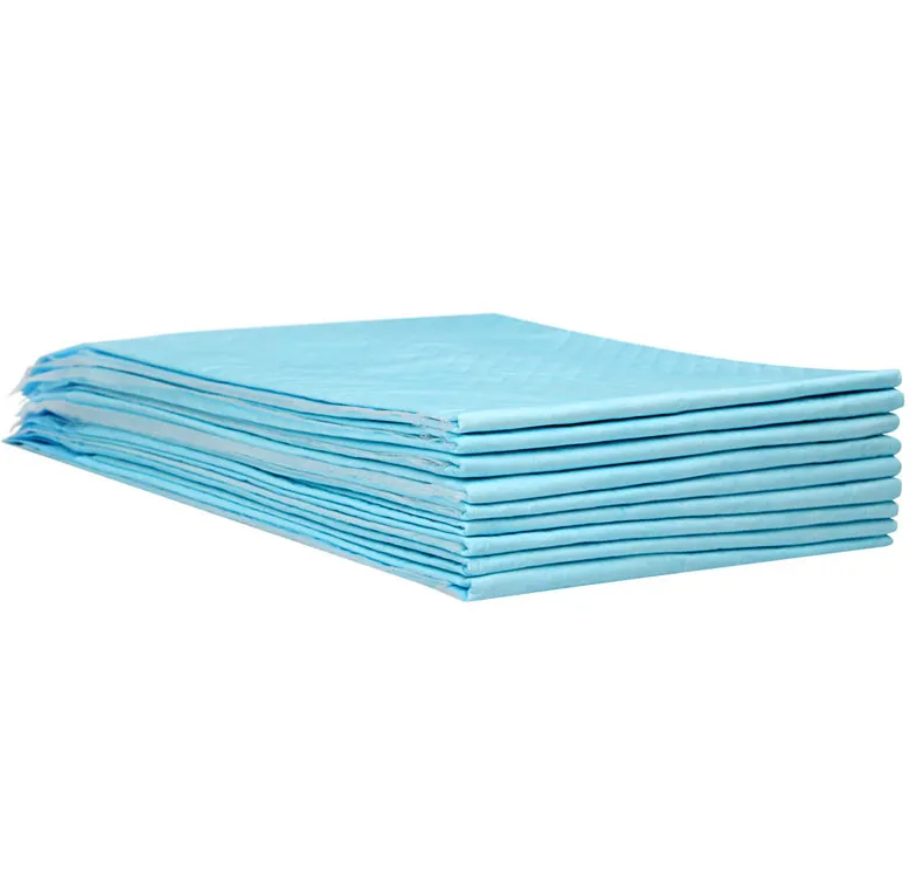
Surface material and comfort are also important for senior dogs, who often have delicate skin and may spend a lot of time resting on the pad. Look for pads with a soft, non-woven fabric or plush surface that is gentle on their paws and skin, reducing friction and irritation. Avoid pads with rough or stiff materials, as these can be uncomfortable for dogs with arthritis or joint pain. The bottom of the pad should have anti-slip grips to prevent it from sliding, which is especially important for senior dogs with mobility issues who may struggle to balance on a slippery surface.
Safety and eco-friendliness are additional factors to consider. Senior dogs often have sensitive noses, so avoid pads with strong fragrances or chemical bleaches, which can cause anxiety or irritation. Instead, choose pads that are made from natural, biodegradable materials (e.g., corn fiber, plant-based polymers) that are free from harmful substances. These pads are not only safer for your pet but also better for the environment. Look for pads that are certified by organizations like OEKO-TEX Standard 100 to ensure they are free from toxic chemicals.
When using pee pads for senior dogs, placement is key. Place the pad near your dog’s favorite resting spot to minimize the distance they need to travel, especially if they have mobility issues. Avoid placing the pad in areas with steep stairs or narrow hallways that may be difficult for them to navigate. It’s also important to change the pad regularly—at least every 8 hours, even if it’s not fully soaked—to maintain hygiene and prevent odors. For added protection, consider placing a waterproof underpad beneath the pee pad to catch any leaks and protect your floors or furniture.
Finally, look for pee pads with additional features that cater to senior dogs’ needs. Some pads are designed with a thicker, cushioned core that provides extra comfort for dogs with joint pain or arthritis. Others include plant-based antibacterial agents (e.g., green tea extract) that help prevent urinary tract infections (UTIs), which are common in senior dogs. Reading customer reviews can also be helpful—look for pads that are praised for their durability, absorbency, and comfort for senior pets.
By considering these factors—absorbency, size, surface material, safety, and placement—you can choose the right pee pad for your senior dog, ensuring they stay comfortable, dry, and happy while keeping your home clean and hygienic.
- Date 2026-Apr-Fri
- Category Company News