


Pet pee pads, also known as puppy training pads or dog training pads, are essential absorbent tools designed to help pet owners manage their furry friends’ indoor bathroom needs. Whether you’re house-training a new puppy, caring for a senior or sick pet, or living in an apartment without a backyard, these pads offer a convenient and hygienic solution to prevent messes on floors and carpets. But how exactly do they work, and what makes them a must-have for pet households? This guide breaks down the basics of pet pee pads, their structure, and their key functions.
At their core, pet pee pads are multi-layered mats engineered to absorb liquid quickly, lock in moisture, and control odors—all while preventing leaks onto your flooring. The typical structure of a high-quality pee pad includes three to five key layers, each serving a specific purpose. The top layer is usually made of a soft, non-woven fabric that is gentle on your pet’s paws and allows urine to pass through quickly without pooling. This layer often features a hydrophilic design to wick moisture away from the surface, keeping your pet’s paws dry and reducing the risk of tracking urine around your home.
Beneath the top layer is the absorbent core, which is the most critical component of the pad. This layer is often infused with super-absorbent polymers (SAP), a material that can absorb up to 5000 times its own weight in liquid and turn it into a gel-like substance. This gel locks in moisture effectively, preventing leaks and ensuring the pad remains dry to the touch even after multiple uses. Some pads also add additional absorbent materials like wood pulp or bamboo fibers to enhance absorption capacity, making them suitable for larger dogs or pets with frequent bathroom needs.
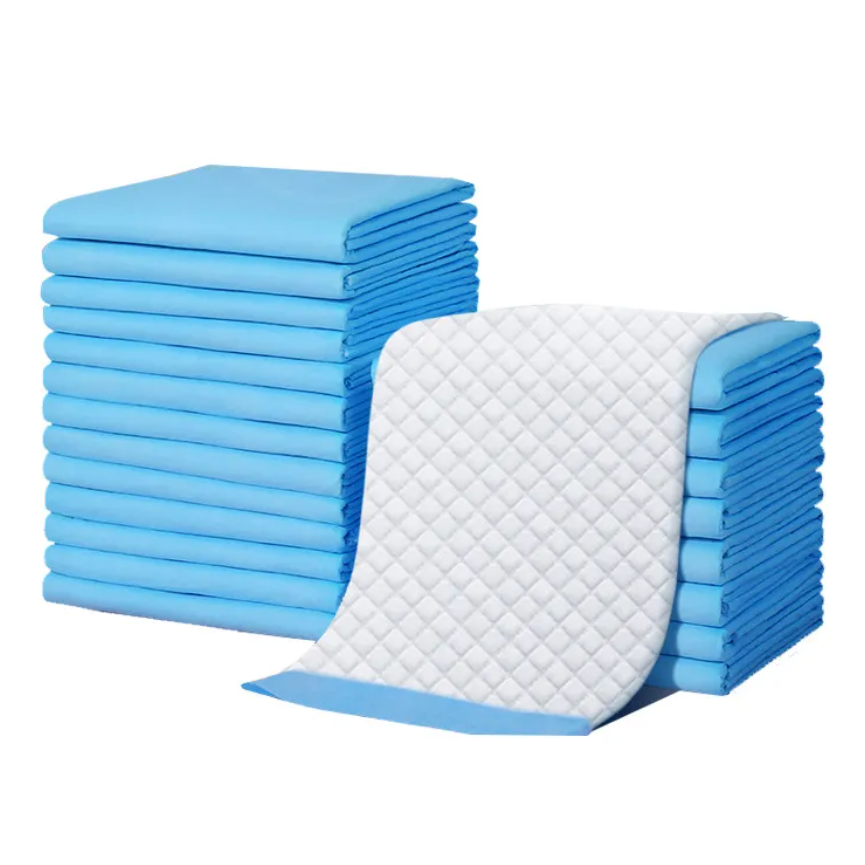
The bottom layer of a pet pee pad is typically a waterproof barrier made of plastic or TPU (thermoplastic polyurethane). This layer creates a leak-proof seal that prevents urine from seeping through to your floors, carpets, or furniture—even if the pad is fully saturated. Many pads also feature adhesive strips or anti-slip grips on the bottom to keep the pad securely in place, preventing your pet from moving or tearing it while in use.
In addition to their basic structure, many pet pee pads include extra features to improve functionality. Scented or attractant pads are infused with pheromones or mild scents that encourage pets to use the pad by appealing to their natural instincts, making them especially helpful for potty training puppies. Odor-control pads often contain charcoal or odor-neutralizing agents that trap and eliminate unpleasant smells, keeping your home fresh even with frequent use. Some pads are also designed to be biodegradable, using plant-based materials that break down naturally in the environment, reducing landfill waste.
Pet pee pads are not just for dogs—they can also be used for cats, rabbits, and other small pets that need an indoor bathroom solution. They are particularly useful for apartment dwellers, pet owners with busy schedules who can’t always take their pets outside, and those caring for senior or ill pets with mobility issues or incontinence. By providing a designated, clean space for your pet to relieve themselves, pee pads make potty training easier, reduce stress for both you and your pet, and help maintain a hygienic home environment.
- Date 2026-Apr-Fri
- Category Company News